The Alluring World of Card Games: A Deep Dive Into Strategy, Skill, and Fun
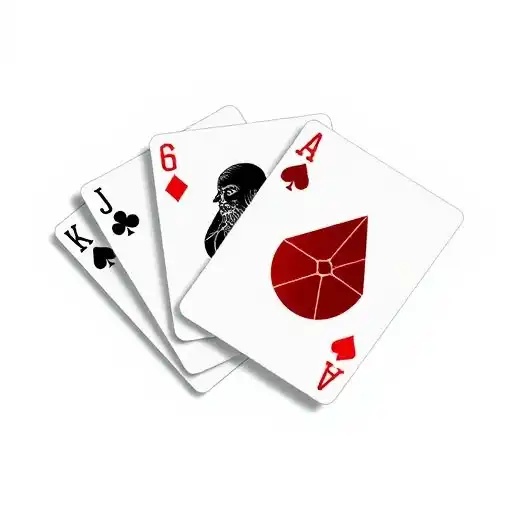
Card games have been a staple in human entertainment for centuries, permeating various cultures and societies. These games are not just about luck but also strategy and skill, offering players an opportunity to engage their minds while enjoying a social pastime. Recently, the term 'brojl' has emerged within the card game community, adding a layer of curious intrigue that enthusiasts cannot ignore.
The Diversity of Card Games
Card games can be categorized in numerous ways depending on their origins, structures, and objectives. They range from simple games that require little strategy to complex ones that demand deep analytical skills. The diversity ensures that there is a game for everyone, regardless of age or skill level.
Classic Card Games
Many classic card games such as Poker, Bridge, and Solitaire have stood the test of time. Poker, with its world-renowned appeal, combines strategy, skill, and psychology, making it one of the most popular card games globally. Bridge, on the other hand, is known for its intricate strategy and teamwork, often considered the pinnacle of partnership card play. Solitaire offers a more solitary form of entertainment, providing players with a relaxing yet stimulating experience.
Modern Card Games
In addition to traditional games, the card game industry has seen a surge in modern variants. Games like Magic: The Gathering and Yu-Gi-Oh! combine elements of fantasy and strategy, attracting a younger audience. These games often incorporate intricate mechanics, expanding the boundaries of conventional card games.
The Strategy and Skill in Card Games
While luck plays a role in the outcome of many card games, skill and strategy are pivotal components. Players must often make decisions based on probability, psychology, and risk management.
Bluffing and Psychology
Bluffing is a classic element in card games like Poker, where players must read their opponents and present a convincing face. Successfully bluffing can be as valuable as having a winning hand, making psychology an essential skill.
Probability and Risk Management
Understanding probability and risk management can significantly increase a player's success rate. Games like Blackjack require players to calculate odds and make decisions accordingly, balancing potential gain against potential loss.
The Role of 'Brojl' in Card Games
As card game enthusiasts explore new terms and strategies, 'brojl' has become a topic of interest. Though its origins remain somewhat mysterious, the term is rapidly gaining traction. It may be related to a specific strategy or style of play that emphasizes certain techniques or mindsets.
The Impact on Gameplay
Incorporating 'brojl' into card games could mean adopting a new approach or technique. Whether it's a mindset during play or a specific move, this concept could influence both new and seasoned players, adding a refreshing dynamic to traditional gaming styles.
Changing Strategies
For many players, adapting to 'brojl' might mean reevaluating their strategies. It could provide an edge in competitive environments, where innovative thinking and adaptation are crucial to success. As players incorporate this idea, the landscape of card gaming could evolve to accommodate new tactics and narratives.
Social and Psychological Benefits of Card Games
Card games are not only a source of entertainment but also beneficial for cognitive and social development. These games can enhance mental agility, concentration, and decision-making skills.
Building Social Connections
Card games provide a platform for socializing, bringing people together across different backgrounds. Whether played casually or competitively, they can strengthen relationships and create bonds between players.
Cognitive Enhancements
Engaging in card games can improve memory, attention, and strategic thinking. Such cognitive benefits are especially valuable as they contribute to mental health and longevity.
Conclusion
Card games remain a beloved pastime, continuously evolving with new trends and concepts like 'brojl'. As players adopt these innovations, the tradition of card gaming promises to expand, offering endless possibilities for strategy, skill, and enjoyment.